

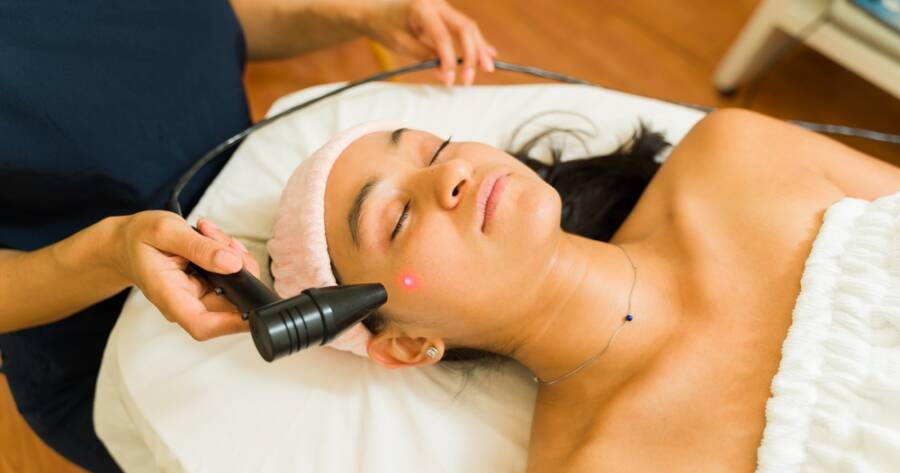
Laser facials, also known as laser skin resurfacing, offer a non-invasive option for improving skin texture, pigmentation, and visible signs of aging. With treatments ranging from ablative to non-ablative approaches, individuals can select solutions suited to specific skin concerns. A clear understanding of benefits, ideal candidates, and provider selection supports effective treatment planning and long-lasting results.
Understanding Laser Facials
Laser facials, also known as laser skin resurfacing, are a non-invasive cosmetic procedure designed to rejuvenate the skin by using concentrated beams of light. This treatment is effective in improving skin texture, reducing brown spots, redness, and “crepey” skin, and is suitable for various skin types and ages. The procedure involves removing damaged skin layers, promoting natural healing, and resulting in cleaner, brighter, and more youthful skin.
Types of Laser Treatments
There are two main types of laser treatments: ablative and non-ablative. Ablative lasers, such as CO2 and Erbium, remove the outer layers of the skin, requiring more downtime but offering significant improvements. Non-ablative lasers, like PicoSure and Clear + Brilliant, penetrate deeper without damaging the surface, resulting in less downtime. Each type of laser is tailored to address specific skin concerns, such as fine lines, wrinkles, pigmentation issues, and scars.
Benefits and Ideal Candidates
Laser skin resurfacing offers numerous benefits, including reduced appearance of acne scars, smaller pore size, reduced hyperpigmentation, and a decrease in wrinkles, leading to smoother and more youthful skin. Ideal candidates for this procedure are those dissatisfied with traditional facials and looking to address issues like birthmarks, acne scars, sun damage, minor wrinkles, and dull skin. However, it is not recommended for pregnant women or those with significant active acne.
Choosing the Right Provider
Choosing a qualified provider is crucial for successful laser skin resurfacing. Board-certified plastic surgeons and dermatologists with extensive experience in laser procedures can provide a comprehensive assessment and ensure safe and effective treatment. It is important to consult with a dermatologist to determine the most suitable laser treatment based on individual skin type and concerns.
Preparation and Recovery
Preparation for laser resurfacing involves consulting with a dermatologist, avoiding certain medications and smoking, and possibly taking prescribed antibiotics or antiviral medications to prevent infections and complications. The procedure is typically outpatient, with recovery times varying based on the type of laser used.
Following treatment, the skin may appear red or swollen, similar to a mild sunburn, with symptoms gradually improving over several days or weeks depending on treatment intensity. Proper aftercare plays a critical role in results, including consistent moisturization, gentle cleansing, and strict sun protection. Patients are often advised to avoid harsh skincare products and direct sun exposure during the healing phase to reduce irritation and support even skin regeneration.
Why You Should Learn More About Laser Facials Today
Laser facials offer a powerful solution for those seeking to rejuvenate their skin without undergoing surgery. With the ability to address a wide range of skin concerns, from fine lines and wrinkles to acne scars and pigmentation issues, laser skin resurfacing provides long-lasting and dramatic improvements. Understanding the different types of laser treatments and selecting a qualified provider are essential steps in achieving the best results. As technology continues to advance, laser facials remain a versatile and effective option for maintaining youthful and vibrant skin.